This section outlines Pragya’s programme areas and gives a taste of the variety and depth of work that falls within them. Much of our project work spans multiple SDGs; we believe that the most effective and sustainable development projects are those that embrace a comprehensive approach. We hope you find our work as vital and inspiring as we do.
Wide-ranging in scope, our programmes cover diverse themes in international development, all playing a part in contributing towards the UN Sustainable Development Goals and the ‘leave no one behind’ agenda.
Complimenting this, our programme design aims to connect locally-led initiatives with national development drives, conducting new research and producing vital publications to inform policy and lead the debate across government, research groups, educational institutions, NGOs and civil society at local, national and international levels.... Read More
Pragya’s Programme areas, and the projects that fall within them, have been conceived, refined and expanded over many years, and represent an approach to development that is at once modern and innovative, pragmatic and direct, yet sensitively embedded within cultural histories and delicate natural environments. Pragya’s global programmes work is guided by our... Read More

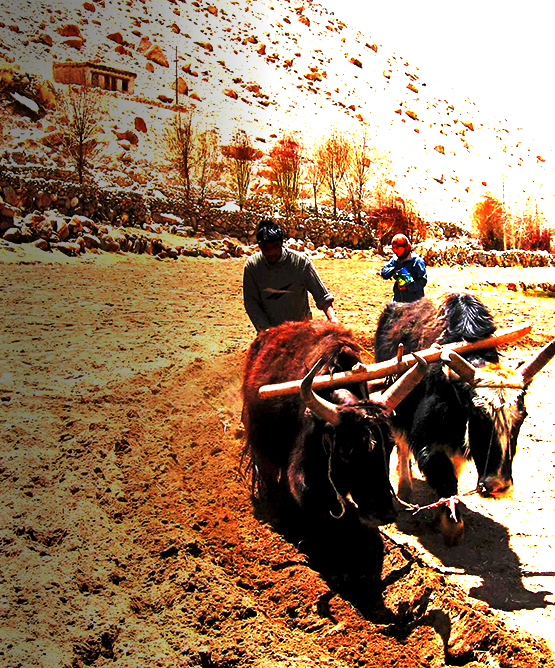
Building sustainable livelihood models and ensuring food security in remote, marginalised communities...
In the remote rural settings in which Pragya works, our livelihoods and food security work are closely linked. We undertake crop research and apply appropriate technologies for improved nutritional health, whilst increasing yields / quality and developing ethical supply chains for improved livelihoods. We also facilitate localised, non-agricultural livelihoods options, with a focus on women.
Click on the links below to know more about the program:
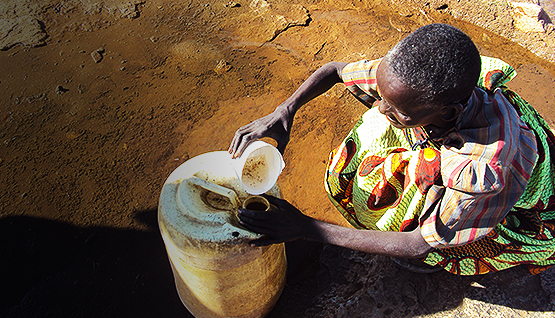
Striving to improve access to water, sanitation and quality healthcare and trauma management...
Our WASH projects provide safe drinking water and sanitation solutions to marginalised communities lacking vital infrastructure, helping combat mortality and morbidity. Our wide-ranging healthcare work spans essential healthcare clinics for isolated rural and neglected urban communities, nutritional health, maternal and reproductive healthcare, and road safety. Learn more:
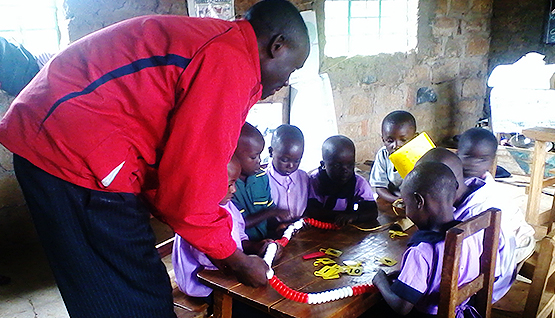
Ensuring access to quality education for all...
Pragya works to extend education to deprived communities lacking access to mainstream education and educational resources, greatly improving the prospects for children and adults in desperate situations around the world. Our work in this area focuses on marginalised schools, education for migrant and nomadic communities, and gender equality.
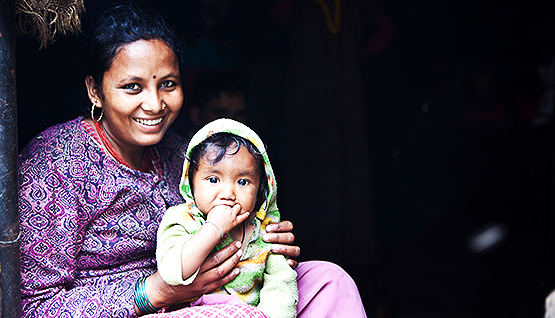
Lending a voice to the vulnerable groups and striving towards changes in knowledge, attitude, practices to ensure equality and justice...
Pragya works to give a voice to the disenfranchised, the powerless, the abused. Whilst all our work is gender sensitive, this programme area includes projects specifically dedicated to women’s social and economic empowerment, and targeted work to prevent violence against women and girls. Learn more:
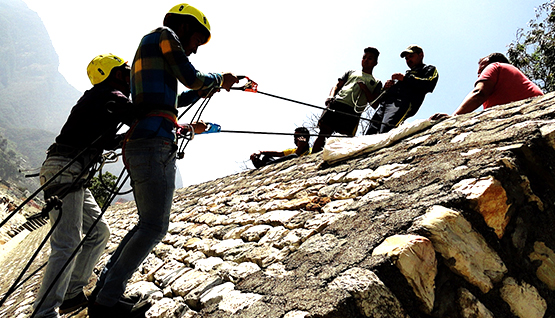
Reducing vulnerability of communities to natural disasters and building resilience...
Pragya’s disaster management work is focussed on the disaster-prone regions of northern India and Nepal, and spans the full package of disaster management, including disaster preparedness, response, and rehabilitation. Our pioneering work builds capacity at the grassroots, with innovative application of technologies. Learn more about the programs:
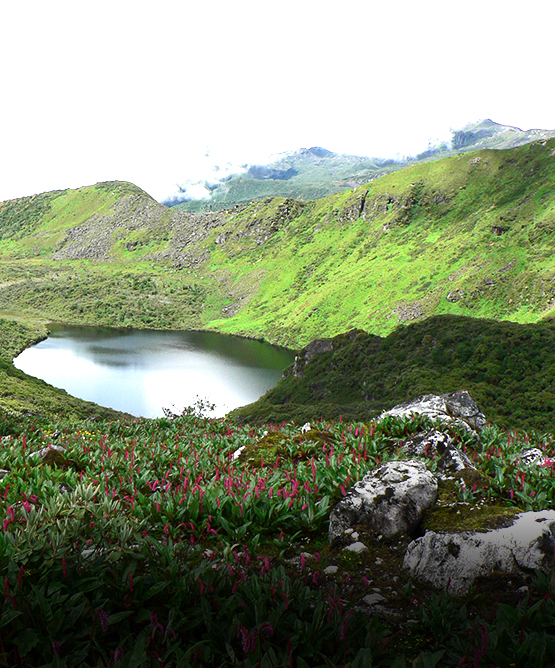
Promoting sustainable use of natural resources and conserving endangered species...
Pragya is committed to preserving and protecting the delicate natural environments in which we work. Projects in this programme area include habitat and biodiversity management, conservation of threatened and endangered plants and wildlife, off-grid renewable energy, and green livelihoods.
Click on the links below to know more about the programs: