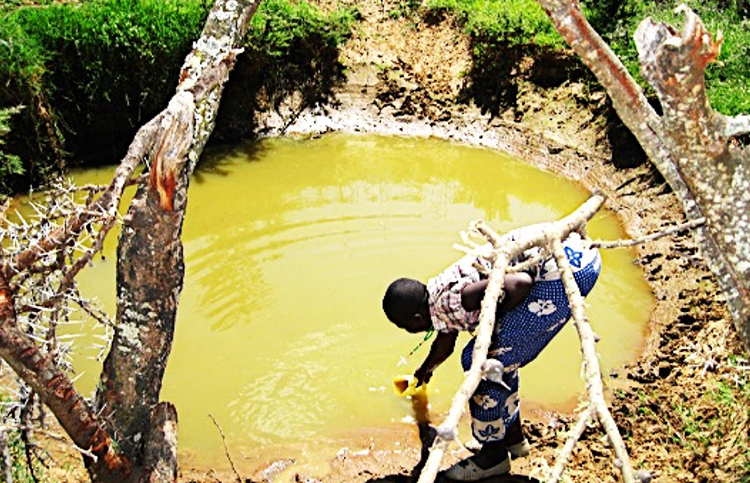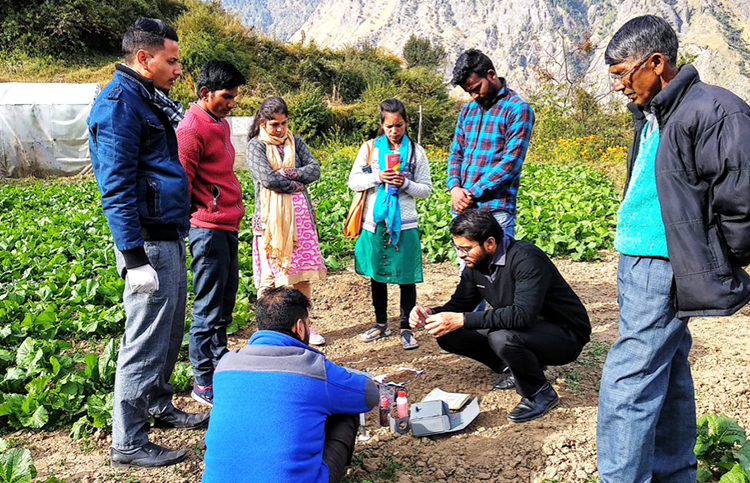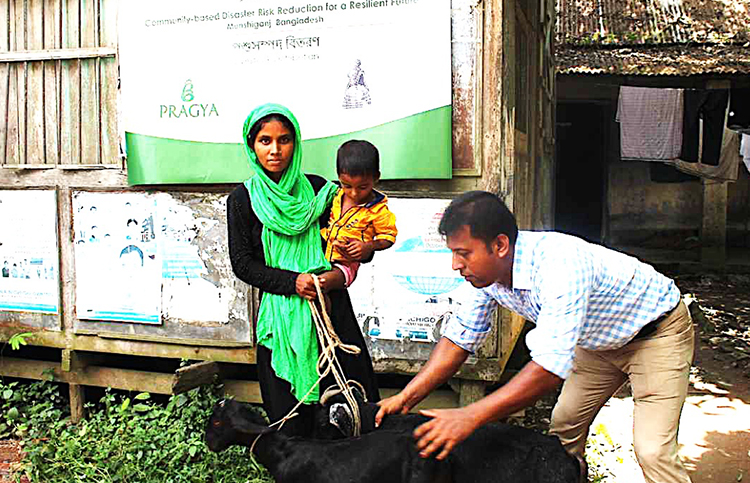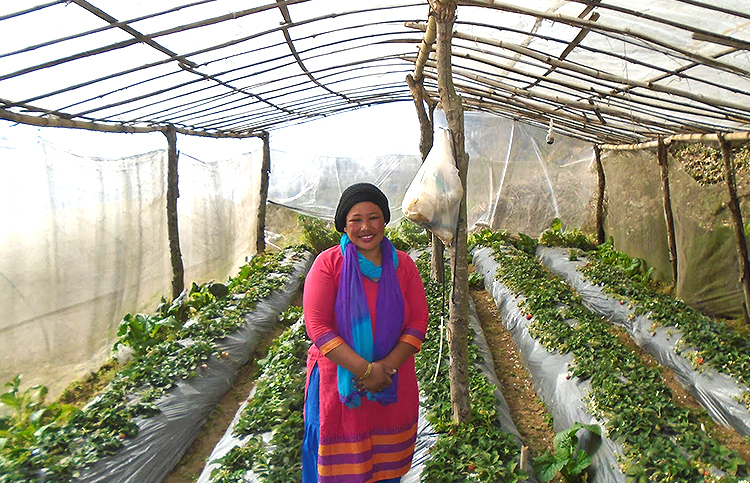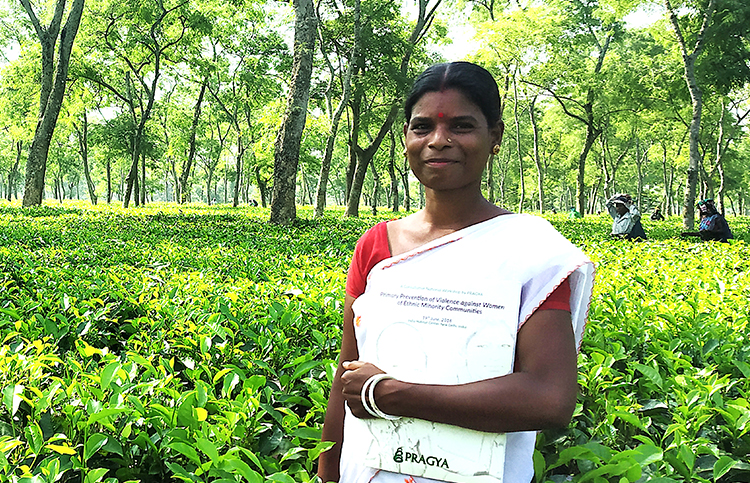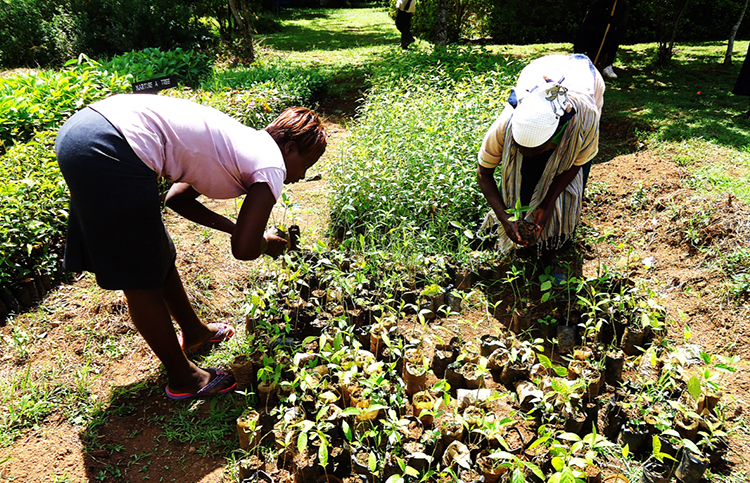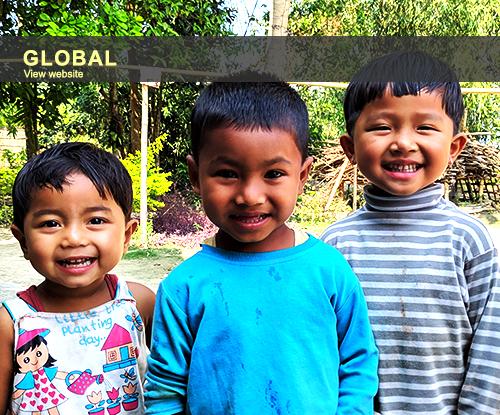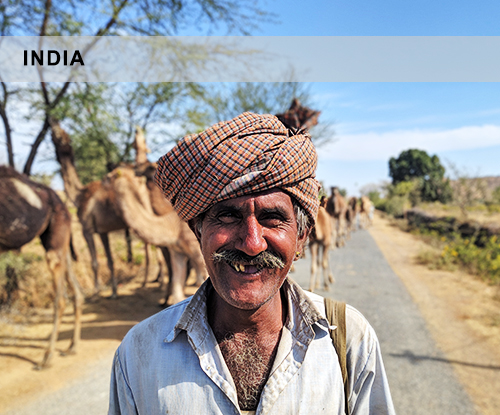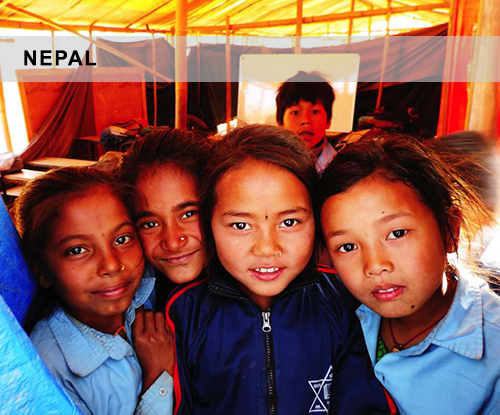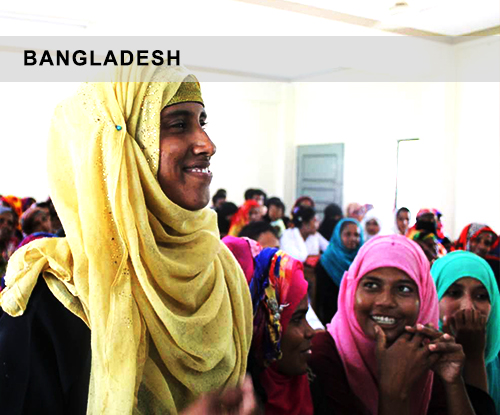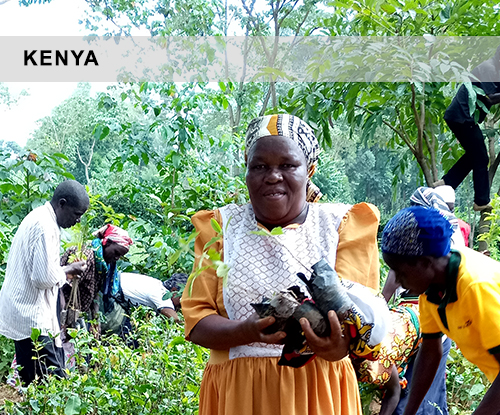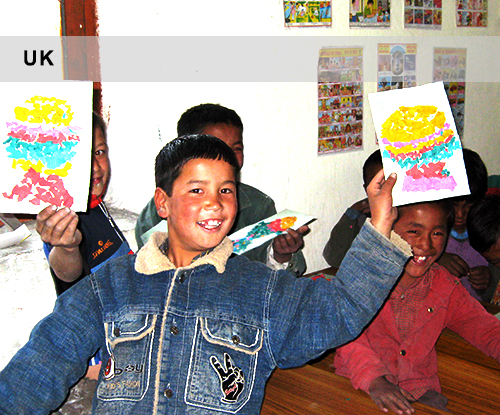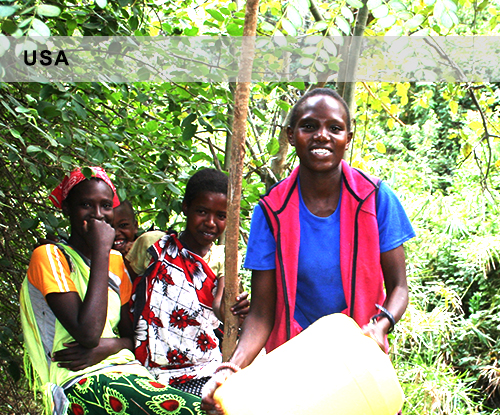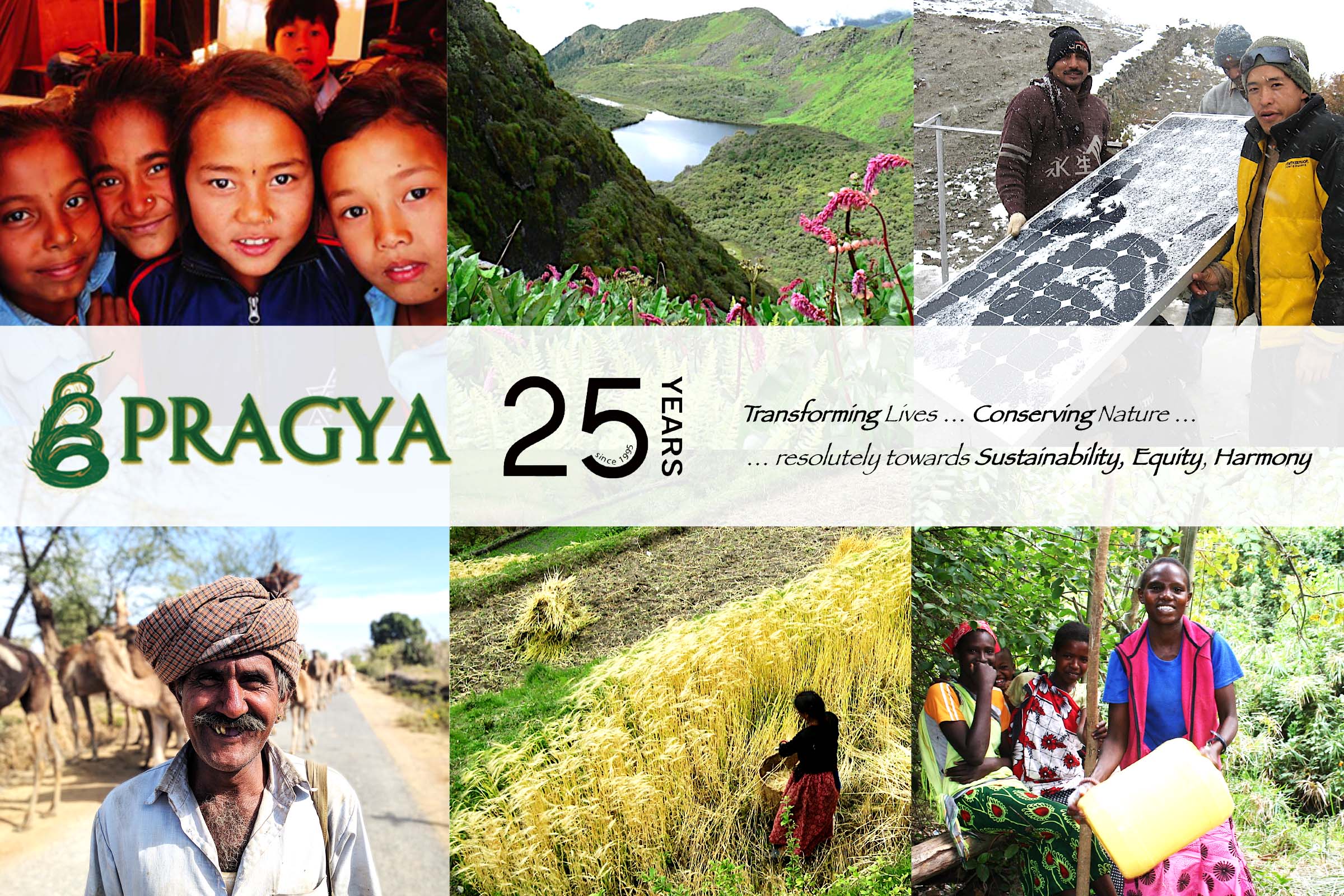
We work in those remote areas in developing countries that lie in the rain-shadow of research and development attention, areas where the minimum requirements for supporting development do not exist, such as high mountain regions, drylands and areas emerging from conflict.
We seek to serve and enhance the quality of life of the most vulnerable, isolated and underserved communities, and improve the management of the fragile ecosystems that typically characterize less-accessible regions. In the drive towards the Millennium Development Goals, these are the farthest behind and the last to be reached.
The gulf between the more developed parts of the country and the remote, rural areas is very wide, and in many cases it continues to grow. People living in remote areas are much lower on almost all human development indicators.
Most remote, isolated areas are high in natural resource wealth, with significant levels of endemism as well. This wealth is at great risk however, and many rare and valuable species are endangered.
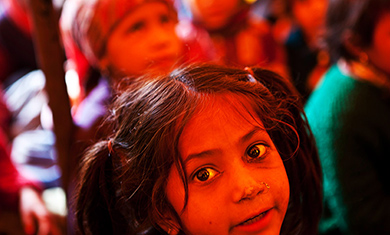
People in remote areas are marginalized and suffer neglect from the State as well as development organizations. Sparse population reduces their political influence and remoteness consigns them to being away from the public eye and forgotten. Resource allocations are lower, development programs and civil society action are limited, and their backwardness is accepted as being statistically insignificant in the overall national context. In many cases, since the people that inhabit the remote reaches are also socio-culturally and ethnically different from the mainstream population, they suffer from multiple forms of exclusion. Negative perceptions abound and they are condemned to a lesser rights and quality of life.
Complex, multi-dimensional poverty patterns
Multiple needs and long development time-scale
Poverty in remote areas is much more than the economic ‘$1 a day’ issue. It is multi-dimensional in nature and comprises low incomes, resource stress, poor access to enablers and services, low capacity and opportunities. The needs are multiple, complex and inter-linked, and they need to be addressed in conjunction with a regional perspective for a complete and sustainable solution. At the same time, having been neglected for long and lacking the advantage of proximity to developed areas and established services, these remote and underserved areas are also very far below the development level of more developed areas. The journey to full development, for such areas, would therefore require much more time and an intensive engagement by development actors.
Inaccessibility and high cost of delivery of welfare services
Alternate delivery systems required
Remote areas and difficult terrains are deeply disadvantaged. Their inaccessibility, geographic and logistical barriers and sparse population constrain the delivery of services to remote areas. The per-unit cost for delivery of education, healthcare, communication, and other services in such regions is very high, and their effective management is difficult. Hence these areas tend to remain underserved and outside the net of State services, and the populations living in them compelled to go without the aids that would help them rise out of poverty. Innovations in delivery are called for which reduce costs through community management of small-scale facilities using local talent/resources.
Natural Resource dependency trap
Alternatives for resource supply and livelihoods required
Communities below the development threshold living in remote, ecologically-rich regions are caught in a despairing bind of dependence on and overuse of natural resources and the lack of alternate livelihood opportunities. The livelihoods practiced are often seasonal in nature, leading to increased pressure for earning and major fluctuation in demographics with associated environmental stress. Inadequacies in skills and infrastructure coupled with distance from markets hinder the development of industries. Niche sector industries are possible but require the creation of other economic enablers and considerable nurturing. For the traditional livelihoods, alternative/farmed sources for resources would be the only route to sustainability.
Technology gap and lack of tested solutions for areas different from the mainstream
Technological innovations and adaptations needed
Remote areas are also different from most of the developed regions - geographically, climatically and infrastructurally. The technologies that serve other parts of the world become unviable and ineffective in these regions. But rarely have technologies been developed for the high altitude mountain areas, and solutions to the unique problems of the savannahs have also not been developed. There is therefore a significant technology gap in such areas, which is a critical development bottleneck. Commercial considerations are a hurdle to the technical adaptation and innovations necessary for such regions, which would however have an immense social benefit.
Use of information from the website should be accompanied by an acknowledgment of Pragya as the source. Reproduction or translation of substantial portions of the website for any use other than for educational or other non-commercial purposes, require explicit, prior authorization in writing. Copyright remains with the original sources and shall be binding on all users of the site. Applications and enquiries should be addressed to info@pragya.org